Source Eco Friendly Modern Dinner Plate for Catering, Hotels, and Retail
Find and compare 30 eco friendly modern dinner plate options from Chinese manufacturers. Evaluate materials like ceramic, porcelain, and bamboo, alongside certifications such as FDA and CE, to select the right tableware for your business needs.
Key considerations
Products List




Comprehensive Sourcing Guide
Eco Friendly Modern Dinner Plate Sourcing Guide
Sourcing eco-friendly modern dinner plates requires a nuanced understanding of material science, supply chain transparency, and regulatory compliance. The term "eco-friendly" is often used broadly in global trade, but for B2B procurement, it must be defined by specific material compositions and verifiable certifications. Buyers must distinguish between products made from rapidly renewable resources, such as bamboo or wood, and those derived from durable, non-biodegradable materials like ceramic or porcelain that offer longevity and reusability. The modern aesthetic often implies minimalist designs, standardized sizing, and versatile functionality suitable for both commercial hospitality and retail distribution. This guide provides a structured approach to evaluating suppliers, verifying technical specifications, and ensuring that procurement decisions align with sustainability goals and operational requirements.
The procurement landscape for dinnerware is characterized by significant variation in manufacturing origins, primarily concentrated in regions with established ceramic and wood-processing industries. Buyers must navigate a wide range of product attributes, from disposable options designed for single-use events to heavy-duty, non-disposable plates intended for long-term commercial use. Understanding the distinction between these categories is critical for selecting the right supplier. Furthermore, the integration of custom branding, specific grid configurations for compartmentalized plates, and standardized dimensions adds complexity to the sourcing process. This guide aims to equip procurement professionals with the necessary framework to assess these variables systematically, ensuring that the final product meets both aesthetic expectations and functional performance standards.
Product Scope and Observed Listing Signals
The current market offers a diverse array of dinner plates that blend modern design with varying degrees of environmental consideration. Observed listings indicate a strong presence of products made from ceramic and porcelain, which are typically non-disposable and feature eco-friendly attributes through durability and reusability rather than biodegradability. These products often come in standard sizes such as 10.5", 13", 12", 14", and 16", catering to a wide range of dining settings from casual to formal. The material choice of ceramic and porcelain suggests a focus on longevity, where the environmental benefit is derived from the product's extended lifecycle and resistance to wear, making it suitable for high-volume commercial environments like hotels and restaurants.
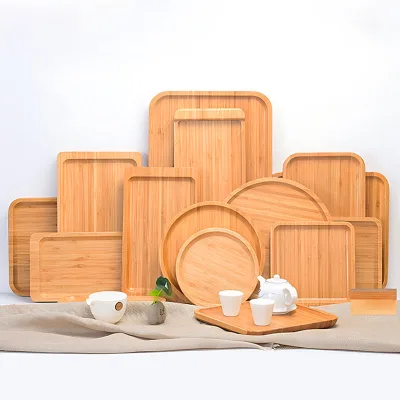
In contrast, another significant segment of the market includes dinner plates manufactured from bamboo and wood, which are often marketed as disposable or semi-disposable options. These products frequently carry certifications such as FSC, indicating responsible forestry practices, and are designed for single-use scenarios where biodegradability is a priority. The observed product models, such as the Environmental Dinner Plate series, highlight features like customized designs and eco-friendly branding. These items are often packed individually in polybags, suggesting a retail-ready or event-specific distribution model. Procurement teams must clearly define whether their need is for durable, reusable tableware or sustainable, single-use alternatives, as this decision fundamentally alters the supplier selection criteria and total cost of ownership.
Technical Specifications to Verify
Technical verification begins with confirming the exact material composition and physical dimensions of the dinner plates. For ceramic and porcelain products, buyers should verify the specific model numbers, such as RY2352, RY1028, and RYPDXL, to ensure consistency in glaze quality, thermal shock resistance, and dimensional accuracy. Standard sizes observed include 6", 7", 8", 9", 10", 12", and 14", with some products offering precise measurements like 6.25" or 10.5". It is essential to request physical samples to assess the weight and thickness, as these factors influence stacking stability and shipping costs. For instance, observed weights for certain models are as low as 8.5g or 22g, which may indicate thin, lightweight designs suitable for disposable use, whereas heavier ceramic plates offer greater durability.
For bamboo and wood products, technical specifications must include details on the type of wood, binding agents, and surface treatments. Buyers should verify if the products are designed with specific grid configurations, such as 3, 4, 5, or 6 grids, which are common in compartmentalized dinner plates for institutional or fast-food settings. The presence of features like microwave safety and dishwasher compatibility is critical for modern usage scenarios. Additionally, packaging specifications vary significantly, with some products packed in standard export cartons for bulk efficiency, while others are individually polybagged for retail presentation. Confirming these details ensures that the product fits seamlessly into the buyer's existing logistics and operational workflows, preventing unexpected handling or storage issues.
Compliance and Safety Documentation
Compliance with international safety standards is non-negotiable for dinnerware procurement, particularly when products come into direct contact with food. Buyers must verify that suppliers hold valid certifications such as FDA, CE/EU, and CIQ, which indicate adherence to strict hygiene and material safety regulations. The FDA certification is particularly important for products intended for the US market, ensuring that materials do not leach harmful substances into food. Similarly, CE/EU certification is essential for European markets, covering a broad range of safety and environmental directives. Procurement teams should request copies of these certificates and verify their validity with the issuing bodies to avoid compliance risks during customs clearance or retail audits.
Beyond basic certifications, buyers should inquire about additional environmental and safety standards, such as FSC for wood-based products, which ensures that the bamboo or wood is sourced from responsibly managed forests. For ceramic and porcelain products, buyers should ask about lead and cadmium release tests, which are critical for ensuring that glazes and decorations are safe for repeated use. The presence of features like "microwavable" and "dishwasher safe" should be backed by specific test results or manufacturer guarantees. Understanding the full scope of compliance documentation helps buyers mitigate legal risks and ensures that the products meet the regulatory requirements of their target markets, protecting brand reputation and consumer safety.
Cost Drivers and Commercial Terms
The cost of eco-friendly modern dinner plates is influenced by several key factors, including material type, production volume, and customization requirements. Ceramic and porcelain plates generally have higher upfront costs due to the energy-intensive firing process and the durability of the final product. However, their long lifespan can result in a lower cost per use over time. In contrast, bamboo and wood plates may have lower unit costs, especially when produced in high volumes, but their disposable nature means they must be replenished frequently. Buyers should analyze the total cost of ownership, considering not just the unit price but also shipping, storage, and disposal costs.
Commercial terms such as Minimum Order Quantity (MOQ) and payment terms play a significant role in the procurement strategy. Observed MOQs range from 50 to 100,000 pieces, reflecting the flexibility of suppliers to accommodate both small boutique orders and large-scale commercial contracts. Customization options, such as logo printing or specific grid designs, often incur additional setup fees and may increase the MOQ. Buyers should negotiate clear terms regarding packaging, shipping methods, and lead times to avoid hidden costs. Understanding the cost structure allows procurement teams to make informed decisions that balance budget constraints with quality and sustainability goals, ensuring a competitive advantage in the market.
Supplier Qualification and Quality Control
Supplier qualification is a critical step in ensuring the reliability and consistency of eco-friendly dinnerware supplies. Buyers should conduct thorough due diligence on potential suppliers, verifying their manufacturing capabilities, quality control processes, and ethical labor practices. For ceramic and porcelain products, it is important to assess the supplier's kiln technology and glazing expertise, as these factors directly impact product quality and durability. For bamboo and wood products, buyers should verify the source of raw materials and the supplier's adherence to sustainable forestry practices. Requesting factory audits or third-party inspections can provide valuable insights into the supplier's operational standards and compliance with international regulations.
Quality control measures should be established before production begins, including clear specifications for materials, dimensions, and packaging. Buyers should implement a robust inspection process, such as pre-production samples, during-production checks, and final random inspections, to ensure that the products meet the agreed-upon standards. For products with specific features like microwave safety or dishwasher compatibility, buyers should request test reports or conduct their own testing to verify performance. Establishing a strong relationship with the supplier and maintaining open communication channels can help address any quality issues promptly, ensuring a smooth supply chain and consistent product quality for end-users.
Long-Term Procurement Checks
Long-term procurement success depends on continuous monitoring of supplier performance and market trends. Buyers should regularly review supplier metrics, including on-time delivery rates, product defect rates, and responsiveness to issues. Establishing key performance indicators (KPIs) and conducting periodic supplier evaluations can help identify areas for improvement and ensure that the supplier remains aligned with the buyer's quality and sustainability standards. Additionally, buyers should stay informed about changes in regulatory requirements and consumer preferences, adapting their sourcing strategies accordingly to maintain compliance and market relevance.
Sustainability is an evolving field, and buyers should periodically reassess the environmental impact of their dinnerware procurement. This may involve exploring new materials, such as biodegradable plastics or recycled ceramics, or working with suppliers to reduce carbon footprints through optimized logistics and packaging. Engaging in long-term partnerships with suppliers who share a commitment to sustainability can drive innovation and cost savings over time. By maintaining a proactive approach to supplier management and market analysis, buyers can ensure that their eco-friendly modern dinnerware procurement strategy remains effective, resilient, and aligned with their broader corporate social responsibility goals.
FAQs
What certifications do these dinner plates hold?
The products hold FDA, CE/EU, and CIQ certifications. Some items specifically list FDA compliance while others include CE/EU and CIQ standards to ensure safety for food contact and international trade requirements.
Which materials are used for these eco-friendly plates?
The plates are manufactured from ceramic, porcelain, bamboo, and wood materials. These natural and durable materials support the eco-friendly design while providing sturdy construction for repeated use in various dining settings.
Can I request custom designs for these dinner plates?
Yes, customization is available for logos, designs, and specific requirements. Buyers can request tailored solutions including custom logos and unique design specifications to meet their brand or event needs effectively.
What sizes are available for the ceramic dinner plates?
Available sizes include 6, 7, 8, 9, 10, 12, 13, 14, 15, and 16 inches. Specific models offer ranges like 10.5 to 13 inches or 12 to 16 inches depending on the product model selected.
Are these plates suitable for microwave and dishwasher use?
Yes, the plates are designed to be microwavable and dishwasher safe. This feature ensures convenience for daily use and easy cleaning, making them practical for both home and commercial food service applications.
What is the minimum order quantity for these products?
The minimum order quantity ranges from 50 to 100,000 pieces depending on the specific product. Some items require a high volume like 50,000 pieces, while others may start with lower quantities for flexibility.
How are the products packaged for export?
Products are packed in standard export cartons or individual polybags. Specific packaging details vary by model, with some items packed 50 per pack and 1000 per carton to ensure safe transport.